Low Taper Fade vs Mid Fade vs High Fade: Which One Should You Choose?
Choosing a fade haircut sounds simple until you sit in the barber’s chair and have to decide between a low taper fade, mid fade, and high fade. They may look similar at first, but each creates a different shape and overall appearance.
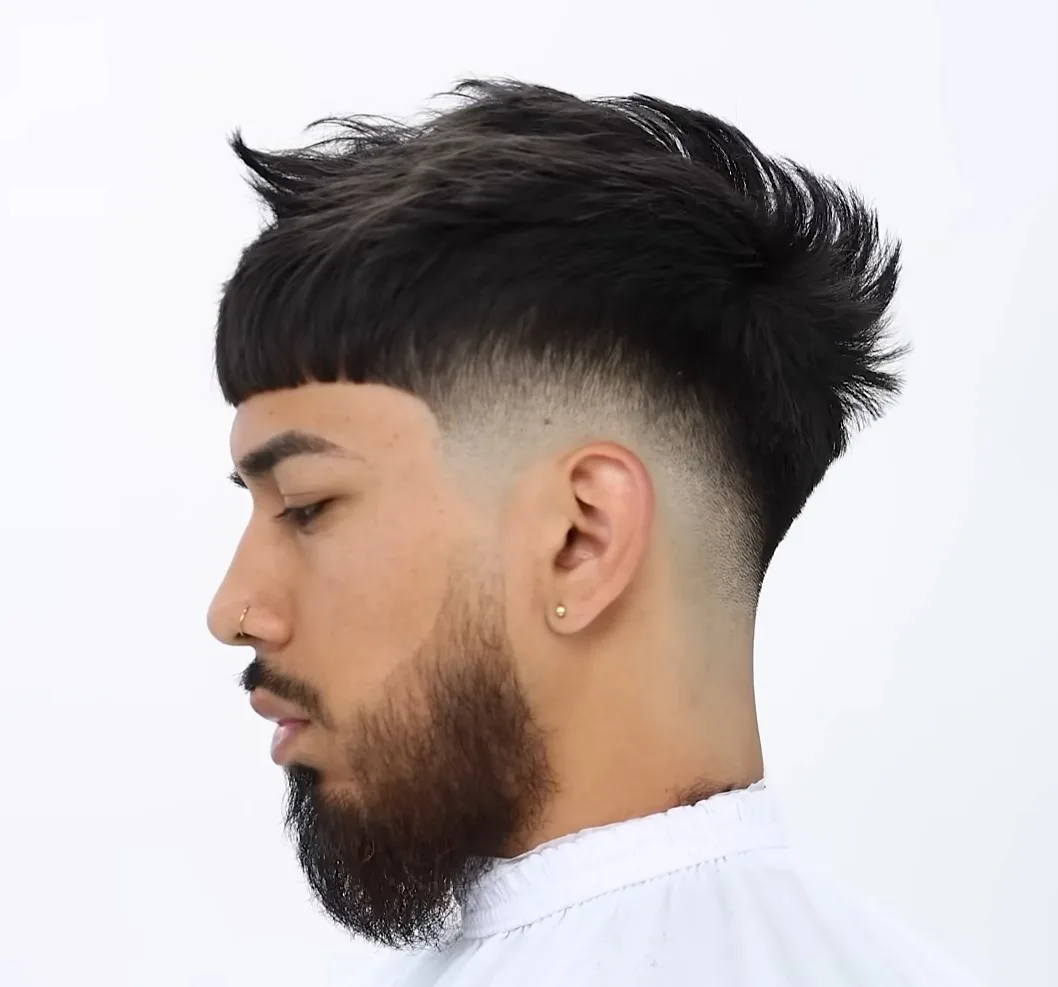
The biggest difference is where the hair starts getting shorter. A low taper fade keeps things subtle around the ears and neckline, a mid fade creates a balanced look around the sides, and a high fade gives you a sharper contrast.
So, which one is right for you? Let’s compare all three styles, explore their advantages, and help you choose a haircut that suits your hair, face shape, and everyday routine.
What Is a Fade Haircut?
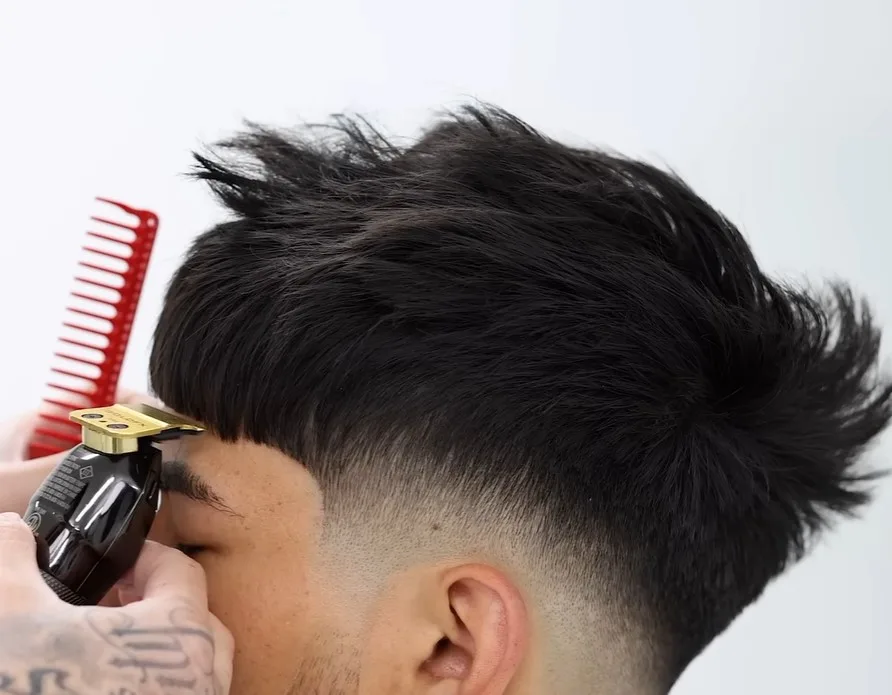
A fade haircut is a style where the hair gradually changes from longer at the top to shorter around the sides and back. Instead of having one obvious line where the hair changes length, the barber blends different lengths together to create a smooth transition.
Think of a fade like a gradual volume adjustment. The hair becomes shorter step by step rather than changing suddenly from long to short.
Fades come in different variations, and the main distinction between them is the starting point of the shorter section.
Here are a few common types:
- Low fade: The transition starts relatively low on the sides, usually around the area above the ears.
- Mid fade: The shorter section begins around the middle of the head, often near the temples.
- High fade: The transition starts higher up, creating more contrast between the top and sides.
- Skin fade: The hair gradually blends down to bare skin.
- Taper fade: The shortest sections are concentrated around the sideburns and neckline.
Although these styles share a similar blending technique, they don’t produce the same result. The position of the fade can change how wide, narrow, or defined your head and hairstyle appear.
What Is a Low Taper Fade?
A low taper fade is a clean, understated haircut that focuses on gradually shortening the hair around the sideburns and neckline. Unlike a higher fade, it doesn’t remove much hair from the sides of your head.
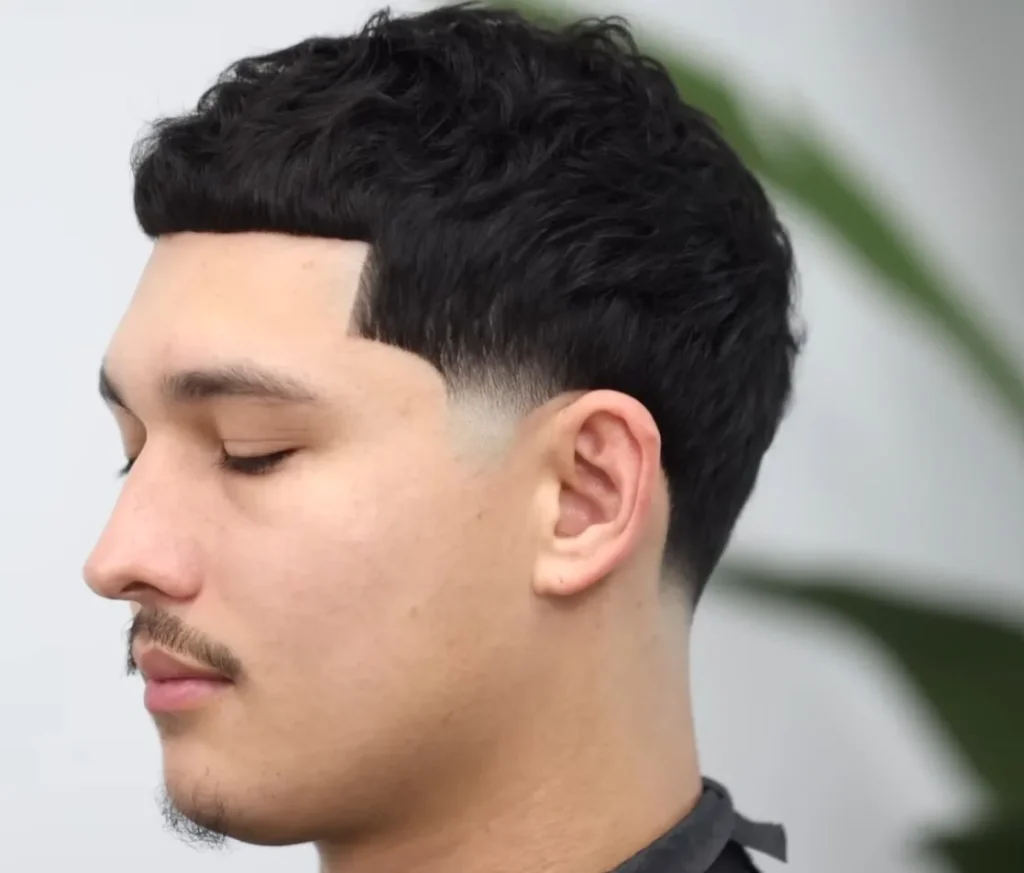
The transition stays close to the natural hairline, keeping the overall appearance neat without creating too much contrast.
This is a good option for anyone who wants a fresh haircut but doesn’t want their sides to look extremely short.
What Makes a Low Taper Fade Special?
A Natural Appearance
The biggest advantage of a low taper fade is its subtle finish. Your hair maintains more of its natural shape, while the areas around your ears and neck look cleaner.
More Hair on the Sides
Because the taper stays low, you keep more length around the sides. This can be useful if you prefer a fuller hairstyle instead of exposing a large part of your scalp.
Easy to Match With Different Outfits
A low taper fade works with casual clothing, formal outfits, and everyday styles. It doesn’t have an overly dramatic appearance, so you can wear it in different settings.
Works With Different Top Styles
You can combine it with curls, waves, textured hair, or a slicked-back hairstyle. The subtle sides don’t compete with the hair on top.
Who Should Choose a Low Taper Fade?
Consider this haircut if you:
- Prefer a clean but natural appearance.
- Don’t want extremely short sides.
- Need a haircut suitable for different occasions.
- Like keeping some length around your temples.
- Want a style that grows out relatively softly.
One thing to remember is that a low taper fade is not necessarily a low fade. A traditional low fade can cover a wider area of the sides, while a low taper focuses mainly on the areas around the ears and neckline.
What Is a Mid Fade Haircut?
A mid fade starts around the middle of the sides of your head, generally near the temples. The barber gradually reduces the hair length from that point downward, creating a noticeable transition between the longer top and shorter sides.
It sits between the subtle appearance of a low taper fade and the stronger contrast of a high fade.
A mid fade is often chosen by people who want their haircut to look modern and defined without removing too much hair near the top of the sides.
Main Features of a Mid Fade
Balanced Contrast
A mid fade creates more contrast than a low taper fade. However, it doesn’t reach as high as a high fade, making it a comfortable middle ground.
Clearer Haircut Shape
The fade helps define the sides and gives the haircut a more structured appearance. It can make textured tops, curls, and other styles stand out.
Versatile Styling Options
You can pair a mid fade with a quiff, pompadour, curly top, textured crop, or short hairstyle.
A Modern Finish
This haircut works especially well if you like a fresh, noticeable style but don’t want an extremely bold look.
Who Should Choose a Mid Fade?
A mid fade may suit you if:
- You want more visible contrast on the sides.
- You enjoy modern and structured hairstyles.
- You prefer a balance between subtle and bold.
- You want your hair on top to stand out.
- You’re comfortable getting regular touch-ups.
The final result depends on how high the transition begins and how short the barber cuts the sides.
What Is a High Fade Haircut?
A high fade creates the boldest contrast among these three options. The shorter section starts much higher on the sides of the head, often around the temples or above them.
The hair gets progressively shorter as it moves downward, sometimes blending all the way to the skin.
Because more of the sides are cut short, the longer hair on top becomes the main focus of the haircut.
Main Features of a High Fade
Strong Contrast
The noticeable difference between the top and sides gives this haircut a sharper appearance.
Shorter Sides
A high fade removes more bulk from the sides, which can be helpful if your hair grows thick or becomes difficult to manage.
Highlights the Top
Curls, textured hairstyles, and longer tops become more noticeable because the sides have less volume.
A Bold Appearance
A high fade is a good choice for people who enjoy sharp, modern haircuts and don’t mind having a more noticeable style.
Who Should Choose a High Fade?
Think about choosing a high fade if you:
- Prefer short sides and a longer top.
- Like high-contrast haircuts.
- Want to reduce bulk around the sides.
- Enjoy textured, curly, or short hairstyles.
- Don’t mind frequent haircut maintenance.
One potential drawback is that the high fade exposes more of the head’s shape. That’s why the barber should consider your head shape, hairline, and preferred top length before starting.
Low Taper Fade vs Mid Fade vs High Fade: Key Differences
Now that you understand each haircut individually, let’s look at how they compare.
The easiest way to remember the difference is to focus on the position of the transition. The lower it starts, the more natural and subtle the result generally looks. The higher it starts, the more contrast you get.
| Feature | Low Taper Fade | Mid Fade | High Fade |
|---|---|---|---|
| Starting point | Around sideburns and neckline | Around the middle of the sides | Near or above the temples |
| Appearance | Subtle and natural | Balanced and noticeable | Bold and sharp |
| Side length | More length retained | Moderate length retained | More hair removed |
| Contrast | Low | Medium | High |
| Overall style | Classic and relaxed | Modern and versatile | Sharp and dramatic |
| Styling options | Very versatile | Very versatile | Works well with defined top styles |
| Maintenance | Often easier to grow out | Needs regular cleanup | Often needs frequent touch-ups |
Which One Has the Most Natural Look?
The low taper fade generally creates the most natural appearance because it leaves more of the original hair length around the sides.
Which One Creates the Most Contrast?
The high fade wins when it comes to contrast. The shorter sides make the hair on top stand out more clearly.
Which One Offers a Middle Ground?
The mid fade sits between the other two. It creates a noticeable shape without going as high as a high fade.
Remember that these results aren’t fixed rules. Your barber can adjust the starting point, blending technique, and clipper lengths to create a softer or sharper finish.
Which Fade Is Best for Your Face Shape?
Your face shape is worth considering before choosing a fade. The right haircut can help create a balanced appearance by adjusting how much width and height your hairstyle adds.
However, these are general styling suggestions, not strict rules. Your hairline, head shape, and personal preference also matter.
Round Face
A round face often has softer angles and similar width and length measurements. A mid fade or high fade combined with some height on top can create a more elongated appearance.
Avoid adding too much volume around the sides if you want to keep the silhouette balanced.
Oval Face
An oval face is generally well-balanced, making it suitable for several fade styles.
You can try a low taper fade for a natural finish, a mid fade for a more defined look, or a high fade for stronger contrast.
Your preferred hairstyle can help determine which option looks best.
Square Face
A square face usually has a broad forehead and a more defined jawline.
A low taper fade can maintain a natural balance around the sides. A mid fade also works well if you want a sharper haircut.
Long Face
If your face is naturally long, adding too much height on top may make it appear even longer.
A low taper fade or mid fade paired with a moderate top length can help maintain better proportions. Avoid combining an extremely high fade with excessive height unless that’s the look you prefer.
Heart-Shaped Face
A heart-shaped face generally has a wider forehead and a narrower chin.
A low taper or softer mid fade can keep the sides looking balanced without making the forehead appear even wider.
Which Fade Works Best for Your Hair Type?
Hair texture and thickness can change how a fade looks. Two people can request the same haircut and end up with different results simply because their hair grows differently.
Here’s how to approach each common hair type.
Straight Hair
Straight hair works with all three fades. Its natural movement makes the blending easier to see, especially when paired with a textured crop, side part, or slick back.
A low taper is ideal for a softer style, while a mid or high fade can create a cleaner contrast.
Curly Hair
Curly hair looks great with a low taper or mid fade because the curls on top remain the main feature.
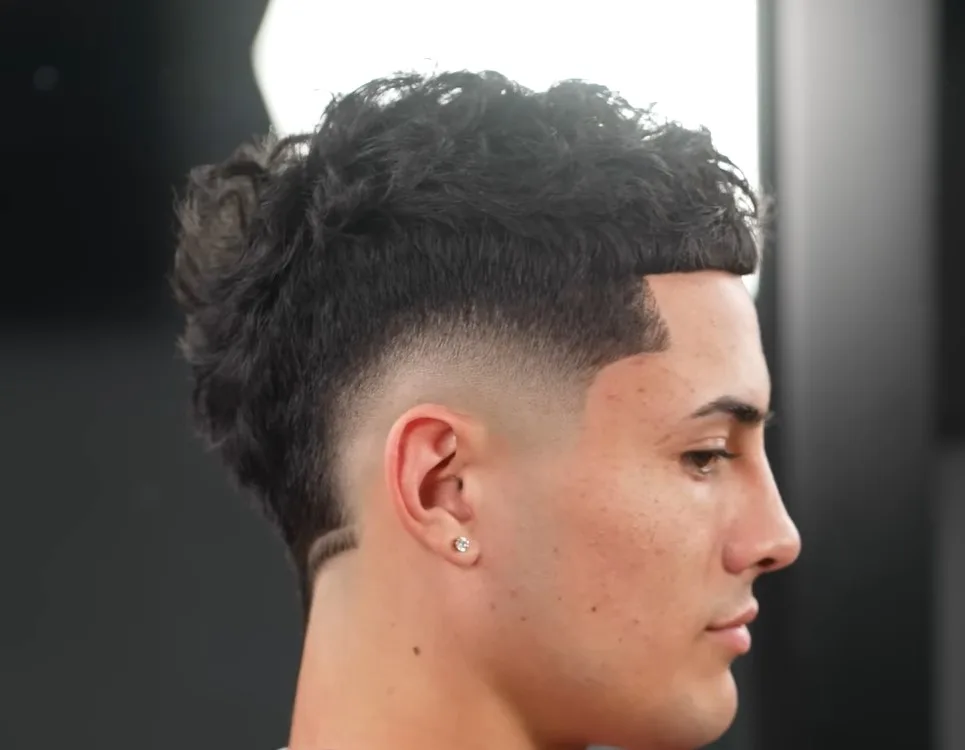
A high fade is another option if you want a more dramatic look and less volume around the sides.
Ask your barber to consider how your curls sit naturally. Cutting curly hair too short in the wrong areas can change its overall shape.
Wavy Hair
Wavy hair has natural movement, making it suitable for different fade styles.
A low taper works well with relaxed, medium-length waves. A mid fade creates a more structured appearance, while a high fade makes the waves on top stand out.
Thick Hair
Thick hair often creates extra volume around the sides. A mid or high fade can help remove some of that bulk.
However, a low taper fade is still a good option if you prefer to keep your natural fullness.
Thin or Fine Hair
If your hair is fine or thinning, consider how much scalp exposure you’re comfortable with.
A low taper fade can keep more coverage around the sides. A mid or high fade may also work, but very short sides can create a stronger visual difference between areas with different hair density.
The best choice depends on your hairline and the amount of coverage you want to maintain.
Best Hairstyles to Pair With Each Fade
The top hairstyle plays a major role in the final appearance. A fade determines the sides, but the length and shape on top complete the look.
Here are some combinations worth considering.
Low Taper Fade Hairstyles
- Low Taper With Curly Hair: Keeps the sides neat while allowing natural curls to remain the focus.
- Low Taper With Textured Top: Adds a relaxed, slightly messy appearance without looking unkempt.
- Low Taper With Slick Back: Combines a clean neckline with hair brushed backward for a more classic finish.
- Low Taper With Waves: Works well when you want to maintain your natural wave pattern.
Mid Fade Hairstyles
- Mid Fade Pompadour: Pairs a noticeable fade with volume at the front.
- Mid Fade With Curly Top: Lets your curls stand out while keeping the sides structured.
- Mid Fade Quiff: Creates a neat shape with added height near the front.
- Mid Fade Textured Crop: Offers a modern finish with short, textured hair on top.
High Fade Hairstyles
- High Fade Buzz Cut: A simple combination that keeps the entire haircut short and easy to manage.
- High Fade French Crop: Pairs short sides with a textured top and forward fringe.
- High Fade With Curly Top: Creates a bold contrast between natural curls and closely cut sides.
- High Fade With Spiky Hair: Adds definition and height for a more dramatic appearance.
A helpful tip is to choose the top hairstyle before your appointment. It gives your barber a better idea of how the fade should connect with the rest of the haircut.
How to Ask Your Barber for the Right Fade
Knowing the name of a haircut is helpful, but explaining exactly what you want can prevent misunderstandings.
Instead of simply saying “give me a fade,” describe the starting point, the length, and the finish you prefer.
For a Low Taper Fade
You can say:
“I want a low taper fade around the sideburns and neckline. Keep the sides relatively full and make the transition natural.”
For a Mid Fade
Try:
“I’d like a mid fade that starts around the temples. Keep the blending smooth and leave enough length on top for styling.”
For a High Fade
Say:
“Give me a high fade with short sides and a clean blend. Keep the top longer so I can style it.”
Other Details to Discuss
Before your barber starts cutting, mention:
- Top length: Explain whether you want short, medium, or long hair on top.
- Skin exposure: Tell them whether you want a skin fade or prefer to leave some hair at the bottom.
- Fade height: Make sure they understand where you want the transition to begin.
- Neckline: Discuss whether you prefer a natural or sharply defined finish.
- Sideburns: Explain how short or natural you want the area around your ears.
Bringing a reference photo is also helpful. Words can sometimes be interpreted differently, but a clear picture gives your barber a better understanding of your preferred result.
How Often Should You Maintain a Fade?
Every fade grows out differently, and the time between haircuts depends on how quickly your hair grows and how sharp you want the finish to look.
Generally, a low taper fade can look presentable for longer because the transition is subtle. Mid fades and high fades may need more frequent touch-ups to maintain their original shape.
Here are some general maintenance guidelines:
| Haircut | General Touch-Up Schedule |
|---|---|
| Low Taper Fade | Around 3–4 weeks |
| Mid Fade | Around 2–3 weeks |
| High Fade | Around 1–2 weeks |
These are estimates rather than strict schedules. Your hair growth, haircut length, and personal grooming preferences all make a difference.
Simple Ways to Keep Your Fade Looking Good
Keep Your Hair Clean
Wash your hair based on your hair type and daily routine. A clean scalp and hair can help your style look fresher.
Use the Right Styling Product
Lightweight styling creams, clays, or gels can help shape the top without making it look greasy or heavy.
Maintain Your Neckline
As your haircut grows, the neckline can lose its clean appearance. A professional cleanup can help bring back the original shape.
Avoid Cutting Your Own Fade Without Experience
Blending different hair lengths requires practice. Trying to fix the sides yourself can create uneven patches that are difficult to correct.
Follow a Regular Haircut Schedule
You don’t need to visit your barber every few days. Choose a schedule that matches your haircut and how sharp you want it to remain.
Common Mistakes to Avoid When Choosing a Fade
A fade can look great in a reference photo but still turn out differently on your own hair. That’s why it’s important to understand what you’re asking for before the clippers start moving.
Here are some common mistakes to avoid.
Choosing a Haircut Only Because It’s Trending
A popular hairstyle isn’t automatically the right one for you. Consider your face shape, hair texture, and daily routine before choosing a particular fade.
Confusing a Low Taper With a Low Fade
These terms are often used interchangeably, but they describe different approaches. A low taper focuses on the sideburns and neckline, while a low fade can involve a wider section of the sides.
Make sure your barber understands the finish you’re expecting.
Asking for a Fade Without Explaining Its Height
Simply requesting a fade leaves too much room for interpretation. Always specify whether you want a low taper, mid fade, or high fade.
Ignoring the Top Length
The sides and top should work together. A fade that looks balanced with short hair may look completely different when combined with long curls or a tall quiff.
Forgetting About Maintenance
Some fades require more frequent touch-ups than others. Choose a haircut you can realistically maintain.
Not Sharing a Reference Photo
A picture can make communication much easier. Show your barber an example that matches the fade height, side length, and top hairstyle you want.
Conclusion
The main difference between a low taper fade, mid fade, and high fade comes down to where the shorter blend begins. A low taper fade offers a natural and subtle finish, a mid fade provides balanced contrast, and a high fade creates a bold, sharp appearance.
Think about your hair type, face shape, preferred hairstyle, and maintenance routine before making your decision. You don’t have to choose the most dramatic haircut to look stylish. The best fade is the one that feels comfortable, suits your appearance, and fits your everyday life.
Frequently Asked Questions
Is a low taper fade better than a mid fade?
Neither haircut is universally better. A low taper fade is ideal if you prefer a natural appearance and want to keep more length around the sides. A mid fade is a better option if you want more noticeable contrast and a sharper shape.
Which fade haircut looks the most natural?
A low taper fade generally looks the most natural because it focuses on the sideburns and neckline instead of removing a large amount of hair from the sides. It also blends well with many classic and modern hairstyles.
Does a high fade make your face look longer?
A high fade can make the face appear longer when combined with significant height on top because it exposes more of the sides. However, the result depends on your face shape, haircut proportions, and top length.
Which fade haircut requires the least maintenance?
A low taper fade usually grows out more softly, making it easier to maintain between appointments. High fades often require more frequent touch-ups because their strong contrast becomes less defined as the hair grows.
Can I get a low taper fade with curly hair?
Yes. A low taper fade works very well with curly hair. It keeps the areas around the ears and neckline neat while allowing your natural curls to remain visible on top. You can also adjust the top length to create a fuller or more defined hairstyle.