Brown Pants Outfits: How to Style Every Shade
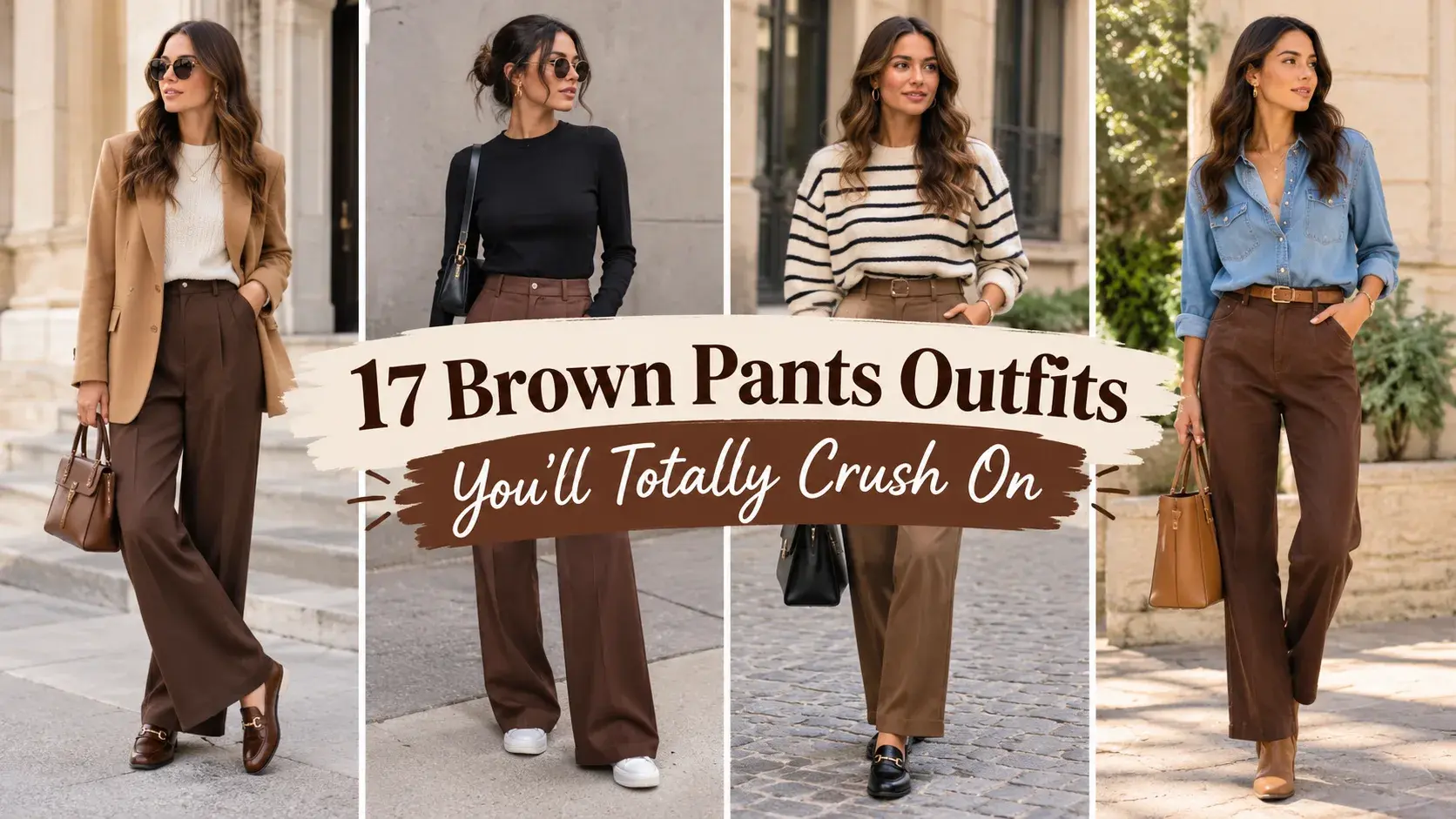
Brown pants outfits work when the shade is chosen first and everything else follows from it. Chocolate brown takes cream and light blue. Caramel takes black and stripes. Espresso takes burgundy and black. Pick the shade, then the top, then the shoes — in that order.
The seventeen outfits in the original post are really four shades worn seventeen ways, and this guide turns them into a method: four steps, three mistakes to avoid, and the colour pairings that work with each shade.
Brown is worth learning because it does the job black does, with more warmth. It is the neutral that pairs with cream, burgundy, blush, and light blue without looking harsh, and it works across seasons in a way black does not.
Shop This Post
As an Amazon Associate, I earn from qualifying purchases.
Step 1 — Pick the shade of brown
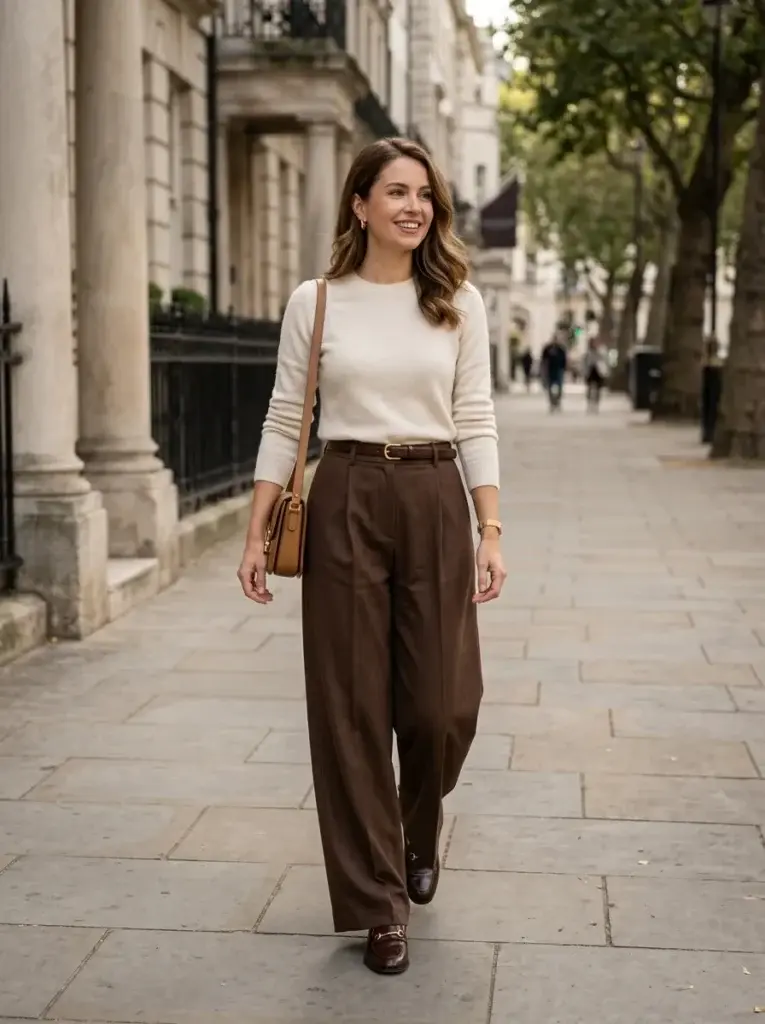
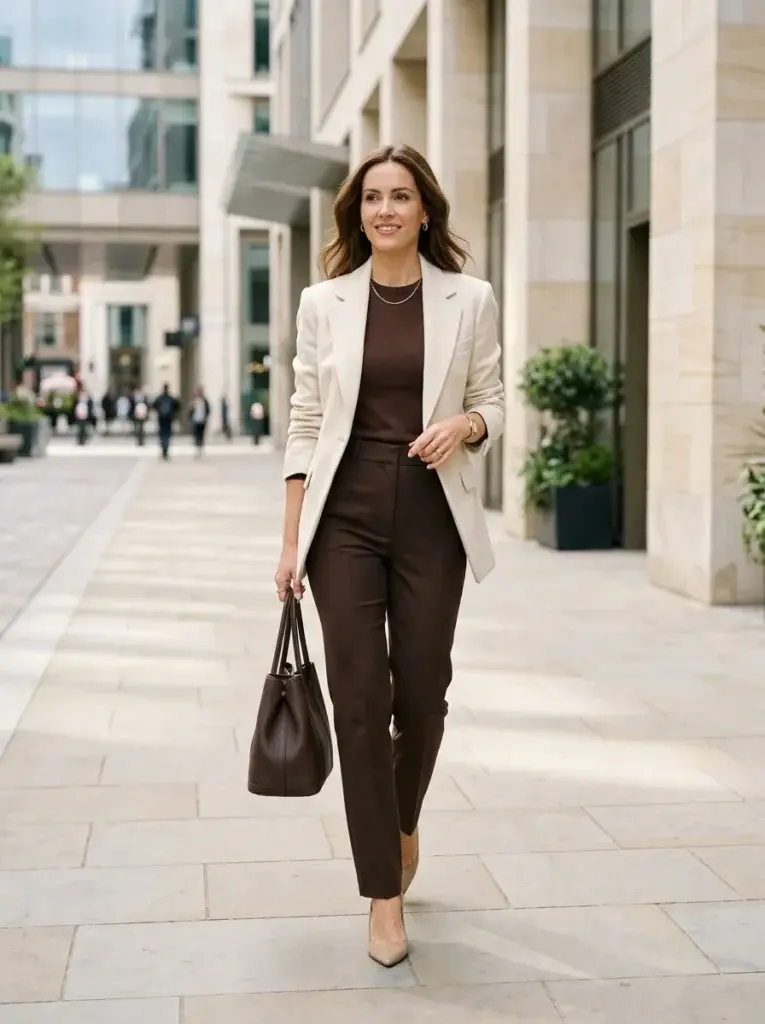
Chocolate brown is the darkest useful shade, and it pairs with the lightest tops: cream, ivory, white, and light blue. It is the shade for tailored trousers, evening dinners, and outfits that need to look polished without effort.
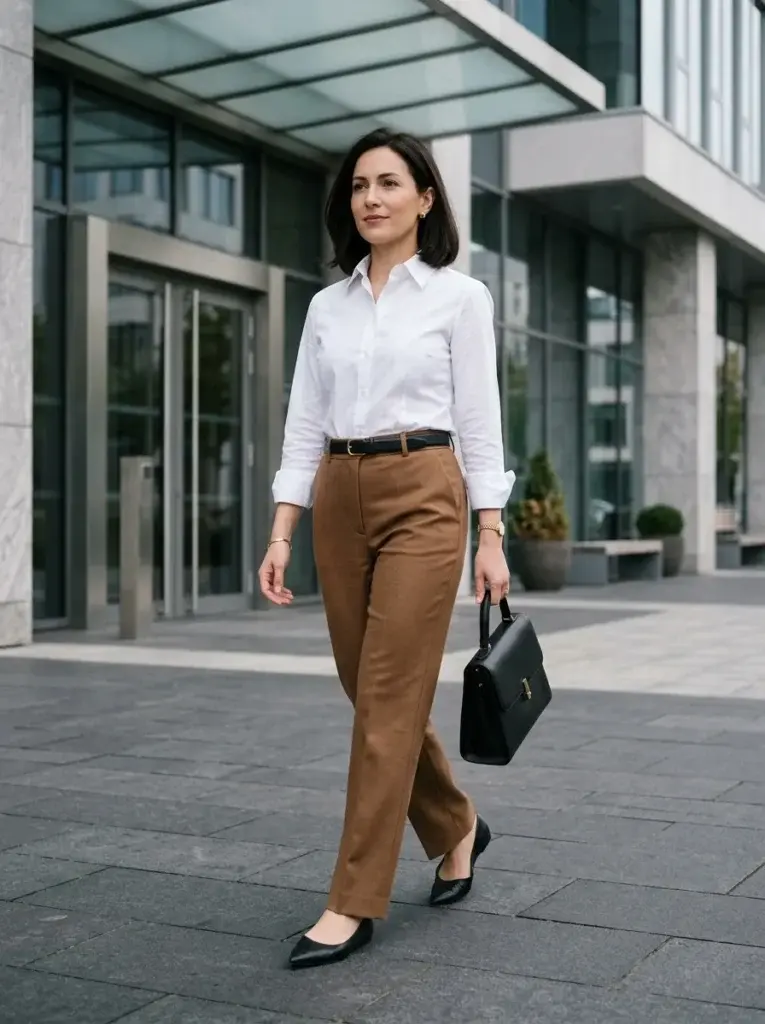
Caramel brown is the warmest shade, and it pairs with black, cream, and stripes. It suits tailored trousers and corduroy, and it is the shade that looks best in daylight.
Espresso brown is nearly black, and it pairs with burgundy, blush pink, and black. It is the shade for autumn and winter, for leather, and for outfits where the trousers should not be the brightest thing in the room.
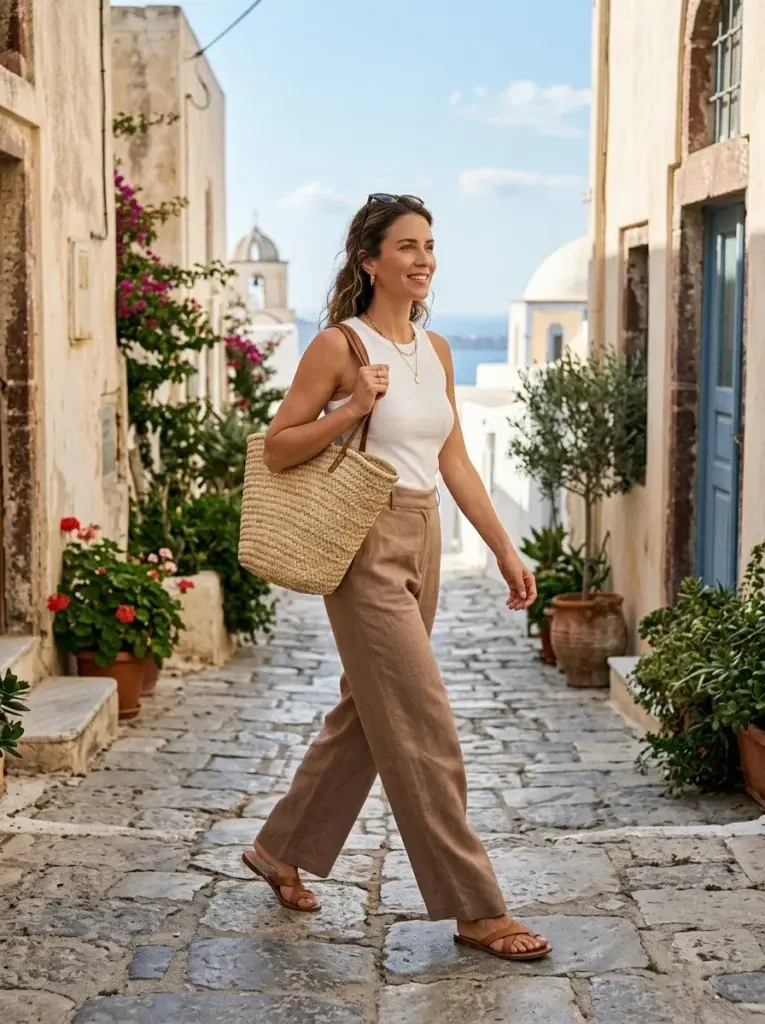
Mocha and light brown, including linen, are the summer shades. They pair with white, sleeveless tops, and tan sandals, and they are the shades that wrinkle the most, so check the fabric before you buy.
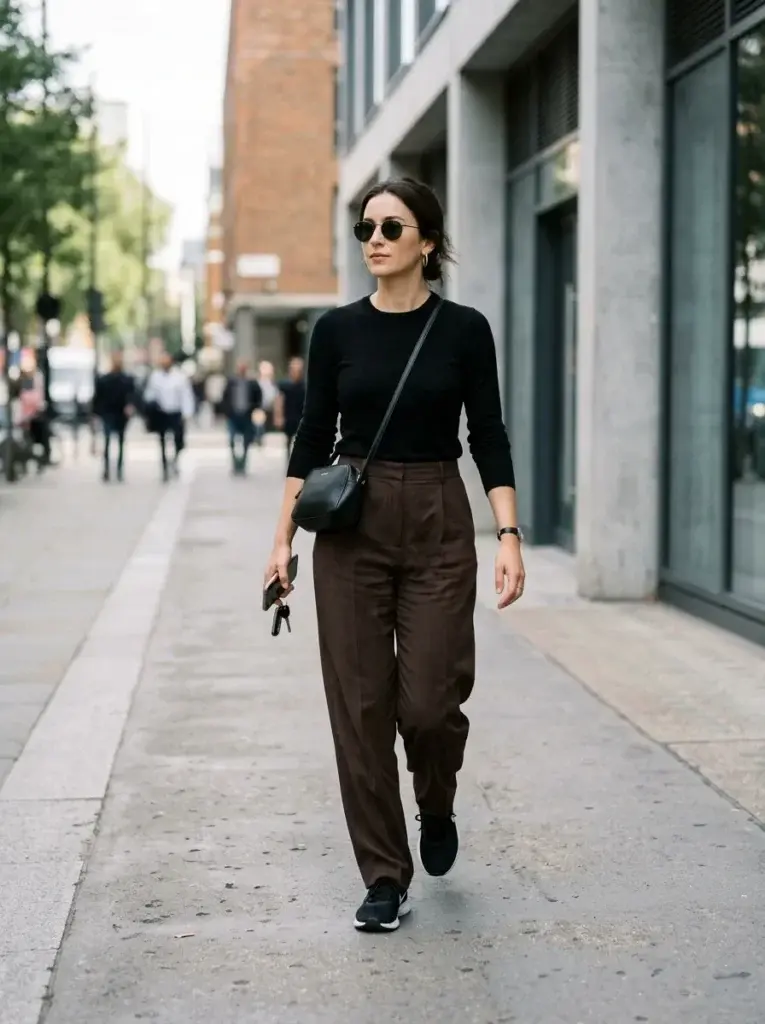
Tell the shade by holding the trousers against a white shirt in daylight. Chocolate reads as dark and cool, caramel reads as warm and golden, espresso reads as almost black, and mocha reads as light and dusty. If two shades look the same in the shop, they will look the same worn — pick the one with the better fabric.
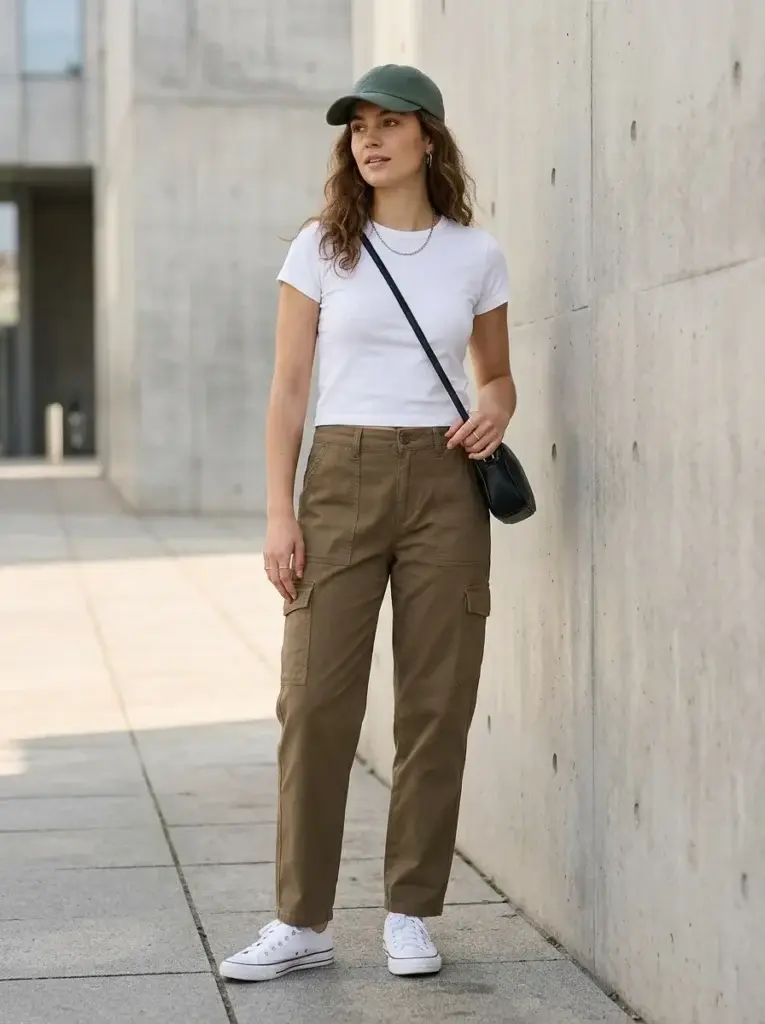
Step 2 — Choose the top by contrast
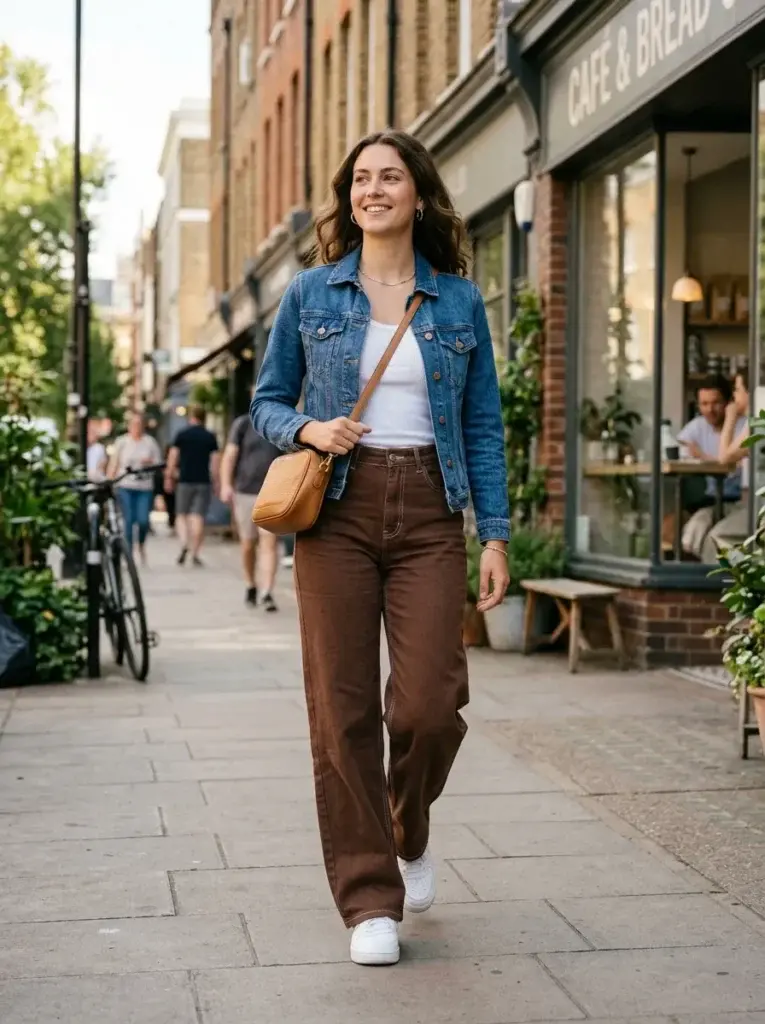
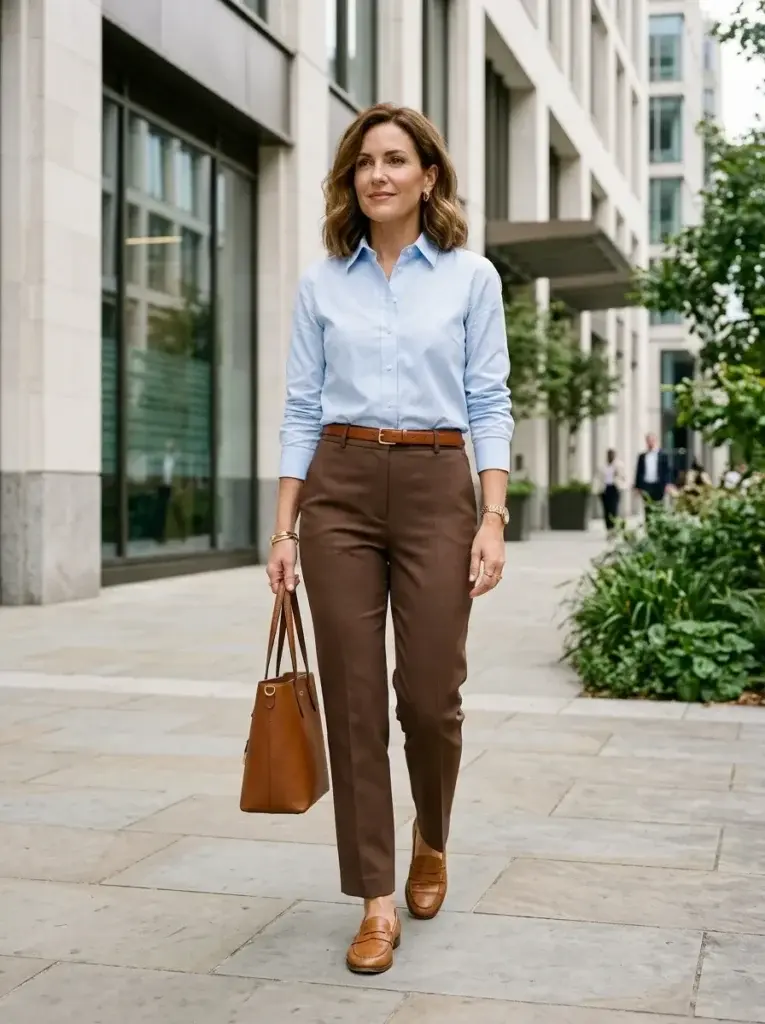
Light tops go with dark browns. A cream sweater with chocolate wide-leg trousers, a white button-down with brown tailored trousers, and a light-blue shirt with chocolate trousers all work for the same reason: the top brightens the outfit and the trousers ground it.
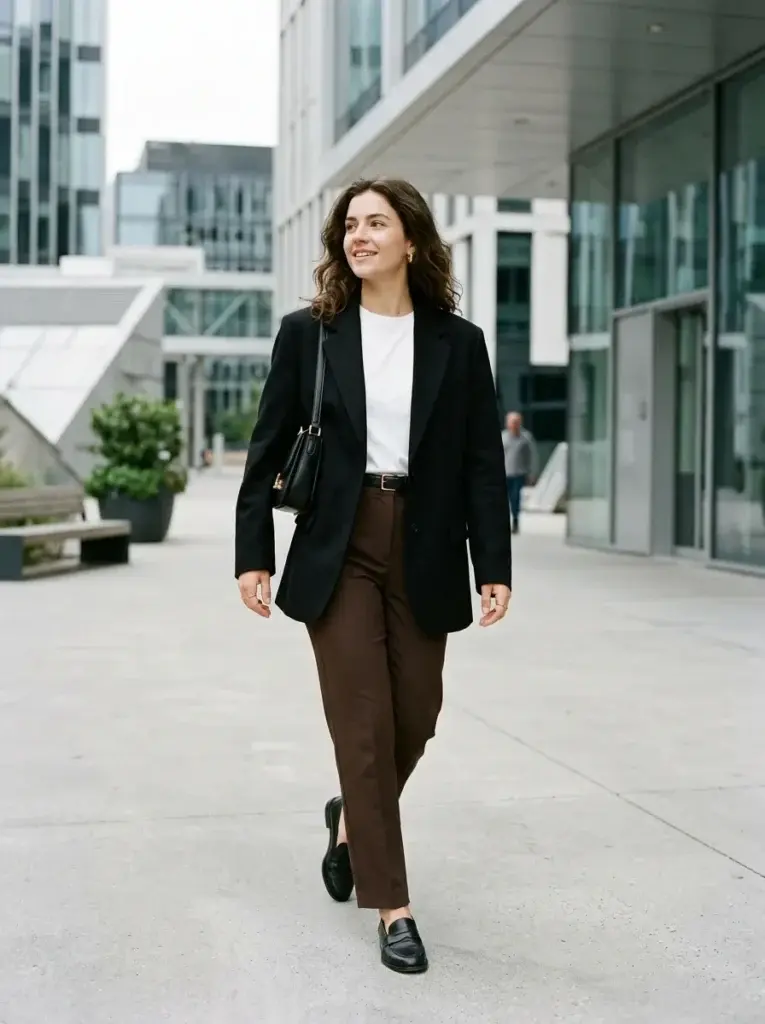
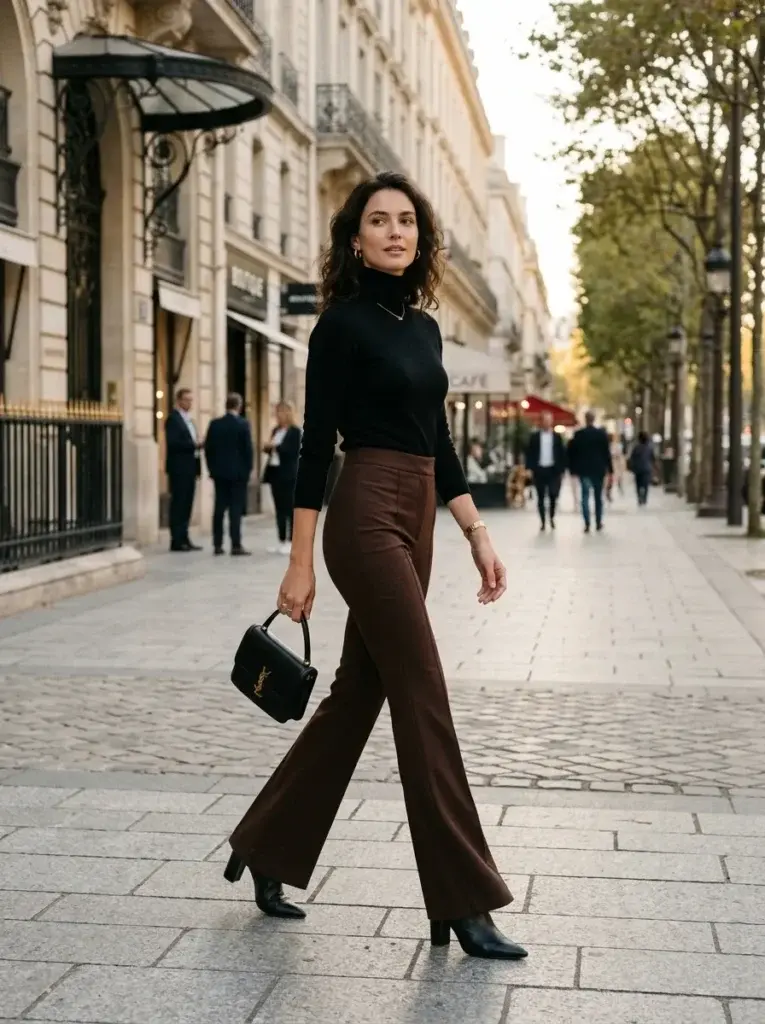
Dark tops go with lighter browns. A fitted black top with relaxed caramel trousers, a black turtleneck with flared chocolate trousers, and a black blazer over a white tee with dark-brown trousers all use the same contrast in reverse.
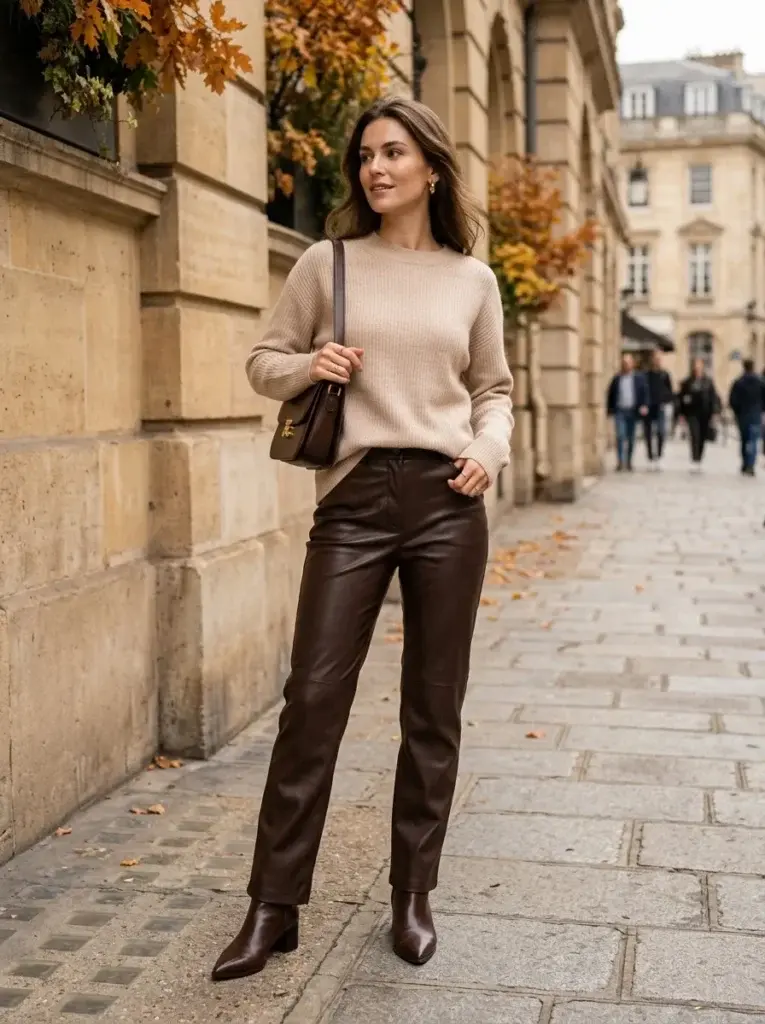
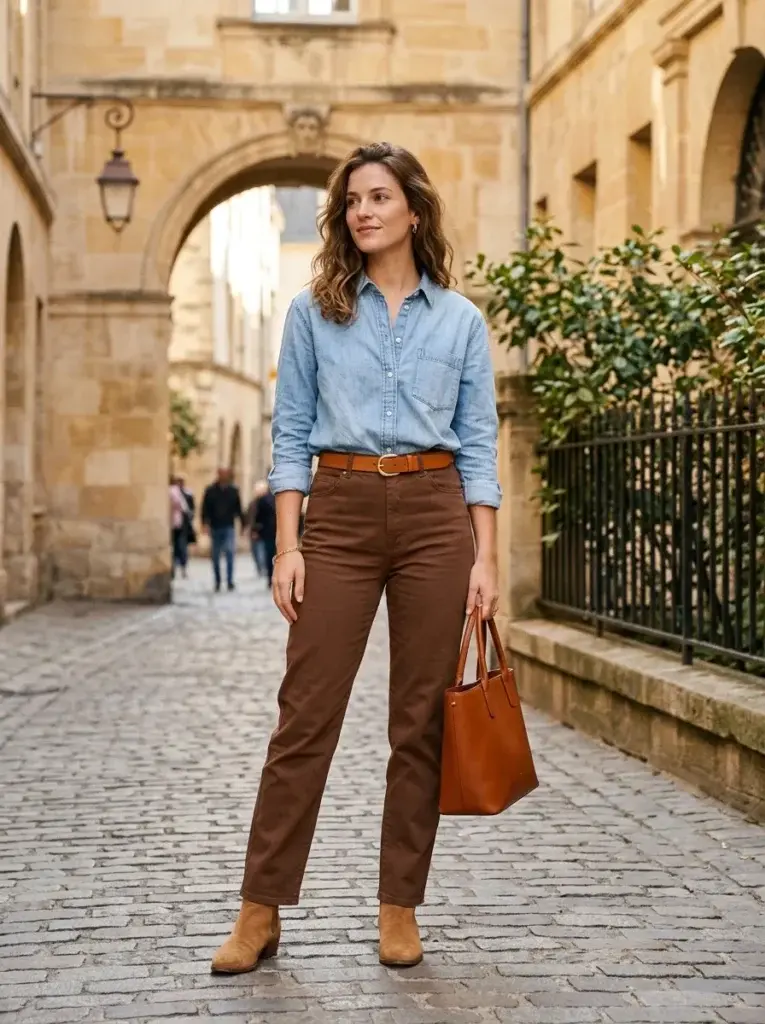
Colour tops go with brown when the warmth matches. Burgundy with espresso, blush pink with medium brown, and a denim shirt with chocolate brown all work because the shades share the same warmth. Check the two colours together in daylight before committing.
A tonal outfit — brown trousers with a matching knit top and a cream blazer — works when the shades are close but not identical. The blazer breaks the brown, and the knit top ties the trousers to it. Keep the shoes in the same family, beige or brown, so the outfit does not split.
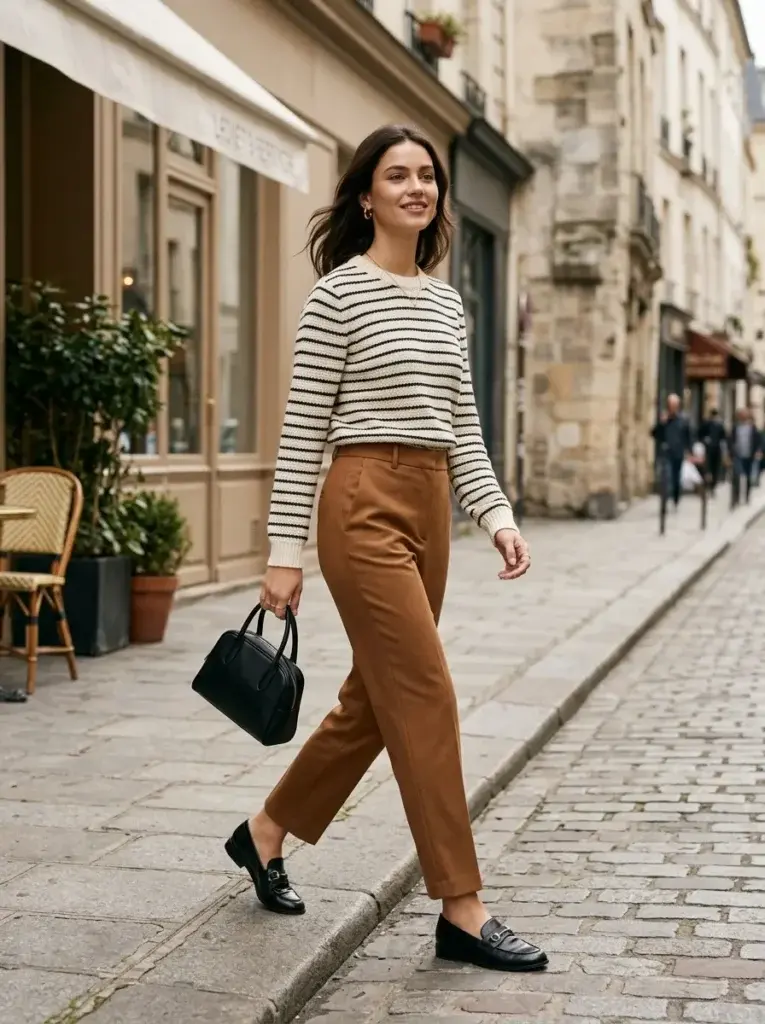
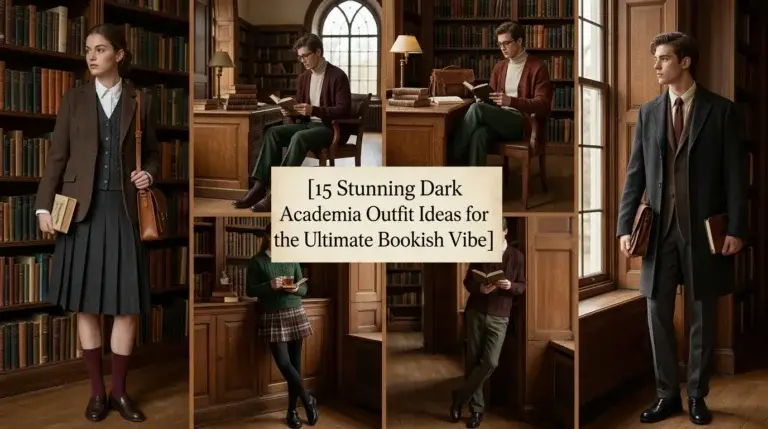
Brown corduroy trousers with a cream knit are the starting point for dark academia outfits, where the same brown and cream palette carries the whole look. The corduroy adds texture that plain cotton trousers cannot, and the cream knit keeps it from feeling heavy.
A white tee under a black blazer with dark-brown trousers is the outfit that rescues a day with no plan. The tee keeps it casual, the blazer gives it structure, and the trousers give it warmth. Swap the loafers for white sneakers and it is a different outfit with the same three pieces.
Step 3 — Choose the shoes and the belt
As an Amazon Associate, I earn from qualifying purchases.
Shoes follow the trousers, not the top. Loafers suit tailored brown trousers, ankle boots suit autumn and winter looks, white sneakers suit casual brown jeans, and ballet flats suit blush and cream combinations. Pointed-toe boots lengthen a flared hem.
A cognac belt bridges a light-blue shirt and chocolate trousers, and it connects the upper and lower halves of an outfit that would otherwise split in two. Keep the belt and the shoes in similar warm tones so the outfit reads as one piece.
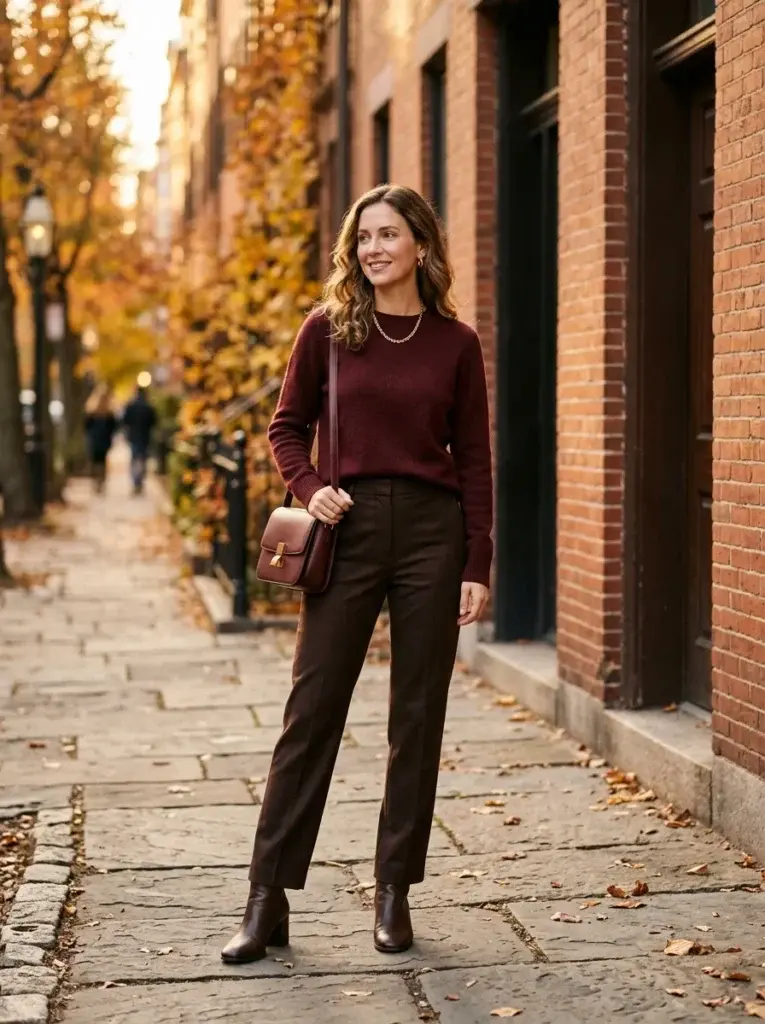
Skip the belt when the top is already tucked and the waistband is clean. A belt on every outfit is a habit, not a rule, and a smooth waistband with a tucked sweater needs nothing else.
A structured handbag in tan or cream finishes the outfit without adding a new colour. A shoulder bag in dark brown adds definition to a cream blazer outfit, and a woven tote suits linen trousers in summer.
Step 4 — Fix the proportions
Tuck the top in, at least at the front, to define the waist. A sweater tucked into wide-leg trousers, a shirt tucked into tailored trousers, and a tee tucked under a blazer all use the same trick, and it works because brown trousers are usually the darkest part of the outfit.
Check the hem while wearing the intended shoes. Wide-leg trousers should skim the shoes without dragging, flared hems should nearly touch the ground, and straight-leg trousers should fall neatly over ankle boots. The right length is what makes brown trousers look tailored rather than borrowed.
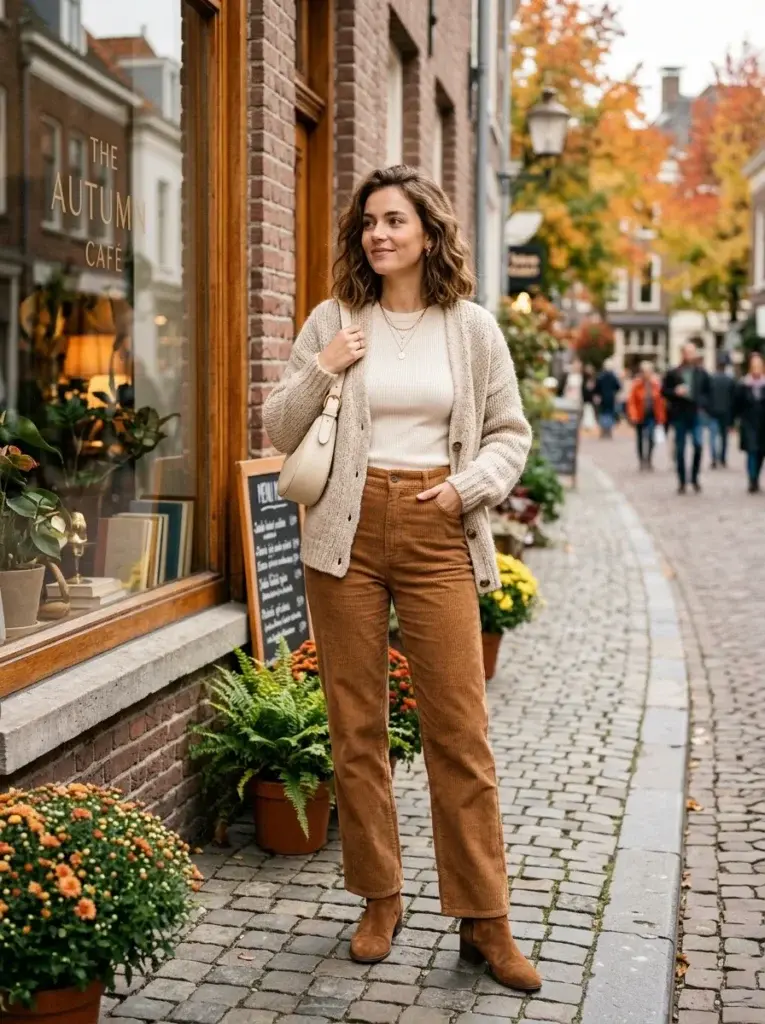
Balance volume on one side only. Wide-leg trousers take a fitted top, an oversized coat takes streamlined inner layers, and a chunky cardigan takes a fitted top underneath. Two oversized pieces together make the outfit look shapeless.
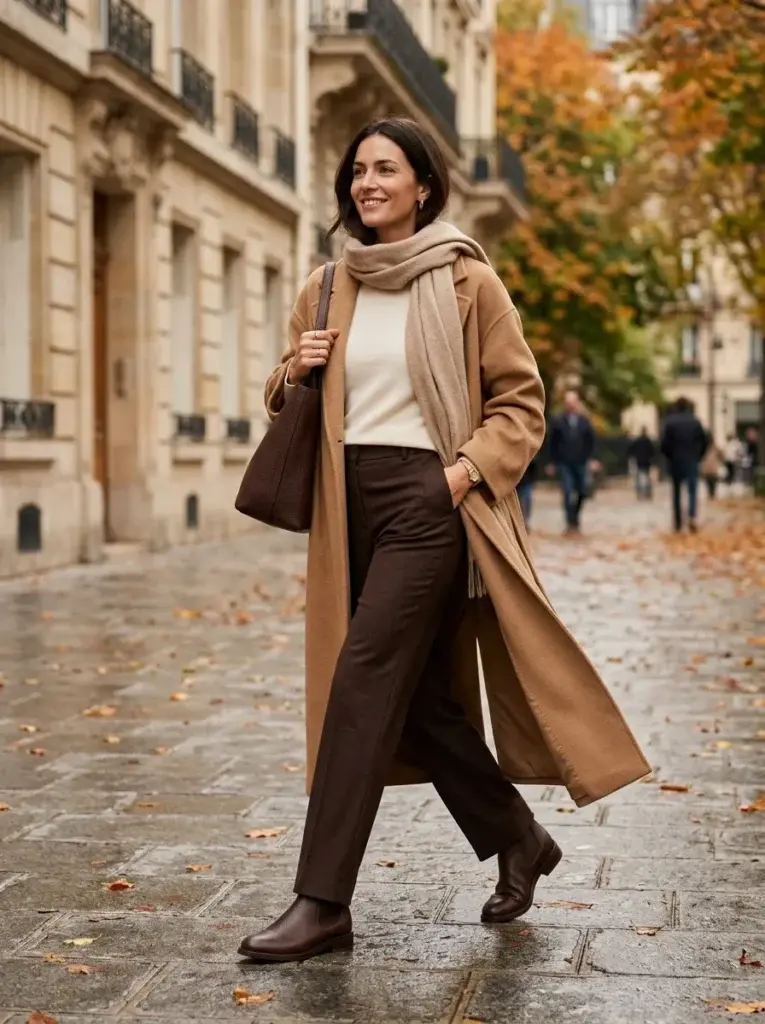
An oversized camel coat over dark-brown trousers and an ivory sweater is a winter outfit built on the same brown palette. Keep the inner layers streamlined so the coat stays comfortable, and add a beige scarf for warmth without a new colour.
A camel coat over brown trousers is the easiest outer layer in this post, because camel and brown share the same warmth. A wool coat in charcoal works too, but it needs a cream or ivory layer underneath to keep the palette from going dark.
Brown pants outfits by season
Spring takes lightweight shirts and loafers with medium brown. Summer takes linen, sleeveless tops, and sandals. Autumn takes chunky knits, denim jackets, and burgundy sweaters. Winter takes turtlenecks, wool coats, and ankle boots. The shade stays the same across seasons; the fabric and the layers change.
Texture matters more than colour in winter. Corduroy, chunky knit, and suede create depth while the palette stays the same, and a wool coat over the whole outfit ties the textures together. In summer, the texture comes from linen and woven accessories instead.

The three mistakes
The first mistake is brown on brown without contrast. Dark-brown trousers with a dark-brown top and dark-brown shoes flatten into one shape. Break it with cream, white, or a cognac belt.
The second mistake is the wrong shoe tone. Black shoes with warm caramel trousers clash, and tan shoes with cool espresso trousers look mismatched. Match the shoe’s warmth to the trousers’ warmth.
The third mistake is ignoring the fabric. Linen wrinkles, leather shines, corduroy adds bulk, and each one changes the outfit. Mix textures rather than adding more colours: corduroy with chunky knit and suede creates depth while the palette stays the same.
FAQs
What colours go best with brown pants?
Cream, white, beige, black, burgundy, blush pink, light blue, and olive green. Chocolate brown pairs best with ivory or camel, burgundy or soft pink add warmth, and light blue gives a fresh contrast.
Can brown pants work in summer?
Yes. Choose linen trousers in mocha or light brown with a sleeveless white top and tan sandals, and keep the layers light. Linen wrinkles, so accept that as part of the fabric rather than fighting it.
Shade first, top second, shoes third, proportions last. Four steps, and the seventeen outfits become one method.